
The custom cardboard boxes production process is a detailed engineering and aesthetic endeavor that starts at the design table and ends in the hands of the customer. Mistakes made during this process lead not only to visual loss but also to significant cost increases, product damage, and a loss of prestige. With our long years of experience in the industry, we at ArtaşPack have compiled the most common mistakes brands make when ordering packaging and how you can avoid them.
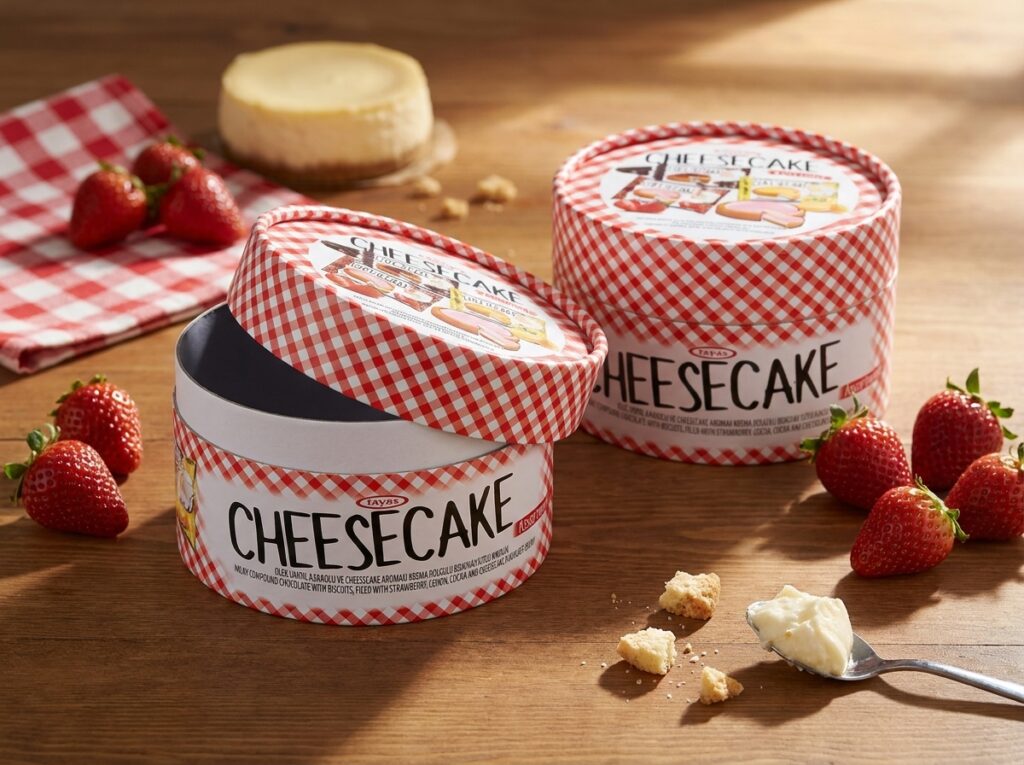
In today’s competitive market, packaging is the silent salesperson of a product. The first physical contact a consumer has with your product happens through the packaging. A perfect “unboxing” experience is one of the most effective ways to increase brand loyalty and create a premium perception. However, while brands want to reflect the value they give to their products in their packaging processes, they can sometimes make serious mistakes due to a lack of technical knowledge or misdirection.
1. Wrong Cardboard Type and Grammage Selection
Considering your product’s weight, shelf life, and transportation conditions, the most appropriate material should be selected among options such as E-flute, B-flute micro-corrugated, kraft, chromo board, or rigid cardboard. A box with insufficient strength will cause the product to be damaged; a cardboard chosen to be thicker than necessary will multiply both your production and logistics costs.
One of the most fundamental and costly mistakes in box production is choosing a material that is not suitable for the product. Placing a very heavy product in a thin Bristol carton will cause the bottom of the product to tear through, while using thick corrugated cardboard for a very light and small product creates unnecessary costs.
2. Confusing Internal and External Dimensions (Millimetric Mistakes)
Sizing is a vital issue when ordering custom cardboard boxes. The most common mistake is giving the product’s dimensions directly to the manufacturer as the outer dimension of the box. However, cardboard has its own thickness (wall thickness).
Especially in corrugated custom cardboard boxes, there is a difference between the outer dimension of the box and its usable inner volume. If the product fits too tightly into the box, the packaging may tear; if it is too loose, the product may be damaged by shaking inside the box. For this reason, “Net Inner Dimension” (Width x Length x Height) should always be taken as the basis when providing dimensions, and separators (inner dividers) to secure the product should be taken into account if necessary.
3. Confusing Digital Screen Colors (RGB) with Print Colors (CMYK)
The fact that the vibrant colors seen by designers or brand owners on a computer screen appear pale or different when printed on a box is the leading actor in packaging crises. Computer screens use the light-based “RGB” (Red, Green, Blue) color profile, while printing presses use the ink-based “CMYK” (Cyan, Magenta, Yellow, Key/Black).
Before your design files are sent to print, they must be converted to CMYK format, and color losses must be checked. If you have a specific brand color in your corporate identity that absolutely must not deviate, you should request the manufacturer to use Pantone (Spot color) instead of standard CMYK printing.
4. Ignoring the Unboxing Experience and Ergonomics
You may have had a great-looking box made, but what if the customer has to use scissors or a knife to open it and damages the product? Focusing solely on visuals and forgetting functionality is a major mistake.
The customer should be able to open the box easily, the locking mechanisms should be sturdy yet practical, and the product should be displayed aesthetically when the box is opened. In addition, ergonomic factors such as ease of shelf arrangement if you are in the retail sector, or locks not opening by themselves during the shipping process if you are doing e-commerce, must be integrated into the design from the very beginning.
5. Incorrectly Setting Bleed and Die-Cut Lines
When the print bleed that needs to be left in the design file is forgotten, unwanted white spaces (paper color) appear at the edges during the cutting of the box. The die-cutting blade can make millimetric shifts while operating at a fraction of a second. The background color or patterns of the design must bleed at least 3-5 mm outside the cutting line. Although an experienced packaging manufacturer checks these files before taking them into production, knowing the process saves brands time.
6. Failing to Consider Storage and Assembly Processes
Many companies only focus on the final state of the box when ordering packaging. But have you thought about how much space the 10,000 boxes you ordered will take up in your warehouse?
Especially rigid boxes require huge storage areas because they cannot be disassembled. If your warehouse is small, you should choose foldable (flat-packed) box models. On the other hand, folding the flat-packed boxes and making them ready for the product takes up staff time. You should choose a box architecture that strikes a good balance between your labor costs and your storage costs.
7. Compromising Quality by Focusing Only on Unit Price
The biggest strategic mistake in packaging purchasing is evaluating quotes solely based on the “unit price.” Using low-quality glue, poor-quality cellophane coating, or weak cardboard might save you a few cents initially.
However, boxes whose adhesives give way in a damp cargo warehouse, or packages that are crushed during transport and ruin the valuable product inside, will present you with a much heavier bill in the form of “return costs” and “customer dissatisfaction.” Packaging is not an expense item; it is a product protection and marketing investment.
8. Failing to Optimize Order Quantity (MOQ) and Costs
In box production, preparation stages (preparation of printing plates, die-cutting blades, and machine settings) are fixed costs. The preparation cost of producing 500 boxes and 5,000 boxes is the same.
Ordering much less than you need and staying at the limits of the “Minimum Order Quantity” (MOQ) drives the unit cost per box to astronomical levels. Conversely, stocking up for 3 years just to lower the unit price will disrupt your cash flow. You must establish transparent communication with your manufacturer to determine the optimum order quantities suitable for your sales projections.
9. Choosing a Manufacturer Without References or Consulting Services
The difference between an ordinary printing house and a corporate packaging factory becomes apparent in times of crisis. Packaging production is not a simple process that progresses as “Give the file, get the print.” The company you work with should not be a supplier that only gives you a price, but a solution partner that develops your project.
Finding the right partner who will warn you when you choose the wrong material, provide a prototype (mock-up) to allow you to do physical testing before final approval, and manage quality control processes transparently is the key to success.
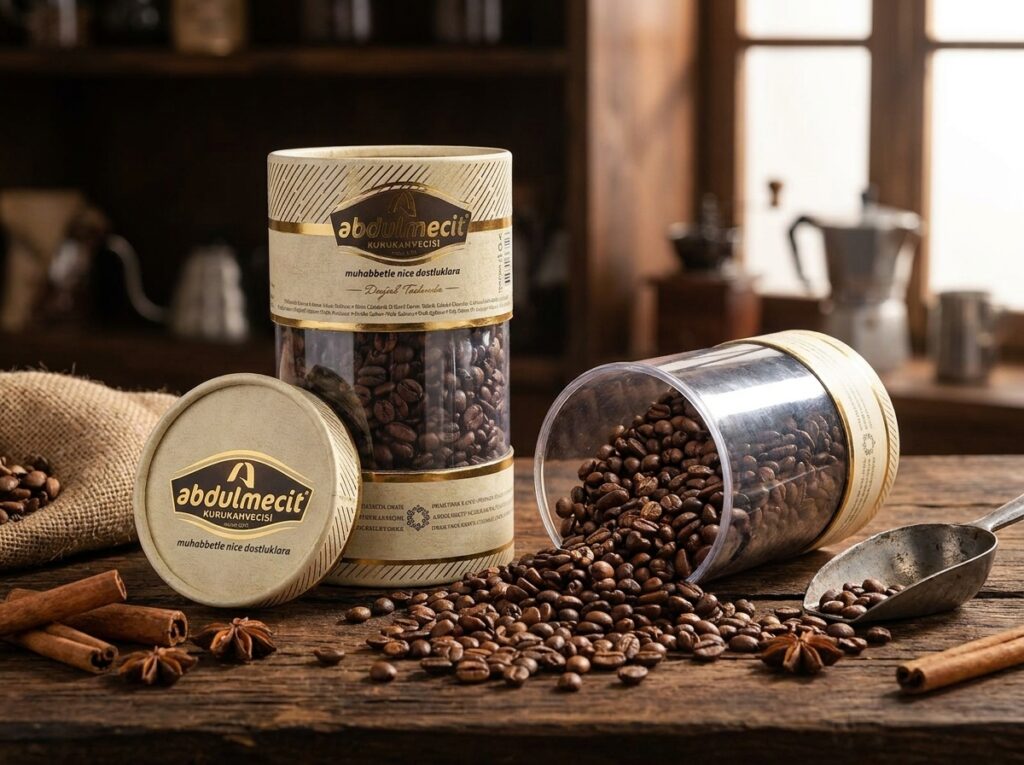
Flawless Production Experience with ArtaşPack
Optimizing costs and maximizing quality in custom cardboard boxes production is only possible with an expert team. A professional approach from start to finish is required to eliminate risks such as wrong dimensions, weak strength, incorrect print colors, or wrong quantity planning.
As ArtaşPack, we carry your brand’s vision to the shelves in the most perfect way. We offer you engineering and design consultancy at every step, from selecting the most suitable material for your needs to mock-up approval processes and the high-quality printing stage. If you are looking for safe and stylish packaging solutions that will add value to your products, you can contact us to reduce the margin of error to zero and experience the difference of professional packaging production.
Phone : +90 (533) 580 23 38
E-mail : sales@artaspack.com
ArtaşPack – Innovative Packaging Solutions